Top Benefits of Utilizing Compression Molding Services for Custom Plastic Solutions
Understanding Compression Molding Services
Overview of Compression Molding Processes
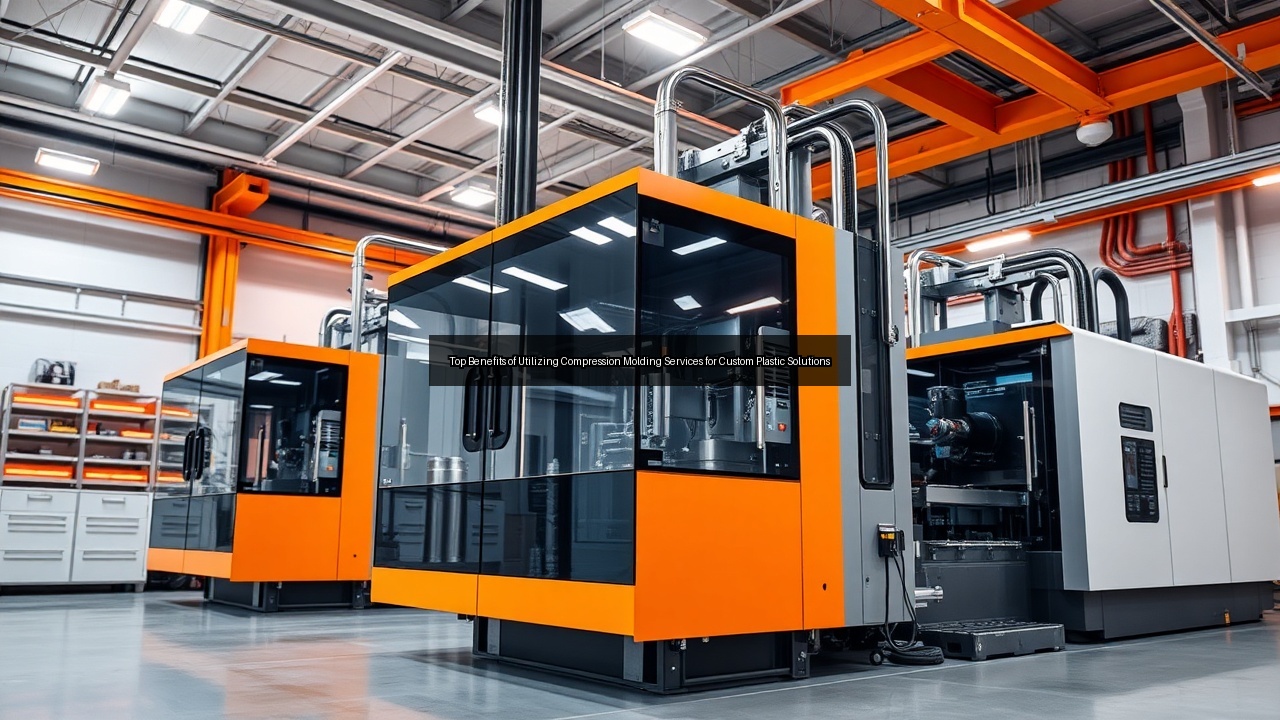
Compression molding processes deliver precise custom plastic solutions through a straightforward yet powerful approach. Manufacturers place preheated plastic material into an open compression mold, then close the mold under high pressure and heat to shape the part. This method suits thermoset plastics and certain thermoplastics that require uniform density. Companies choose compression molding services when they need parts with excellent surface finishes and minimal internal stresses. The process supports large, thick sections that other techniques struggle to produce evenly. Engineers control temperature, pressure, and cure time to achieve consistent results across production runs. Compression molding processes also reduce material waste compared to machining from solid stock, which helps control costs on medium-volume orders.
How Compression Molds Work
Compression molds operate by applying direct force to raw plastic inside a heated cavity. Workers load a measured charge of material, often in the form of pellets or preforms, into the lower half of the mold. The upper half descends and compresses the charge, forcing it to fill every detail of the cavity. Heat activates the curing reaction in thermosets, locking the shape permanently. Hydraulic or mechanical presses maintain steady pressure throughout the cycle. After cooling or curing, operators open the mold and eject the finished part. Proper mold design includes vents to release air and excess material, preventing defects like voids or flash. Skilled technicians monitor cycle times to balance quality and throughput in any compression molding service.
Comparison with Injection Molding Techniques
Injection molding shoots molten plastic into a closed mold at high speed, which works well for high-volume runs of small, intricate parts. Compression molding, by contrast, fills the mold more slowly under sustained pressure, making it ideal for larger components or materials that flow poorly under injection conditions. Injection setups require expensive tooling and higher clamp forces, while compression molds often cost less to build and maintain. Manufacturers turn to compression molding services for parts that need thick walls or embedded inserts without knit lines. Injection molding can produce flash that demands extra trimming, whereas compression techniques usually leave cleaner edges. Both methods create plastic parts, yet compression molding process excels when dimensional stability and heat resistance matter most.
Key Benefits of Compression Molding Services
Cost-Effectiveness and Efficiency
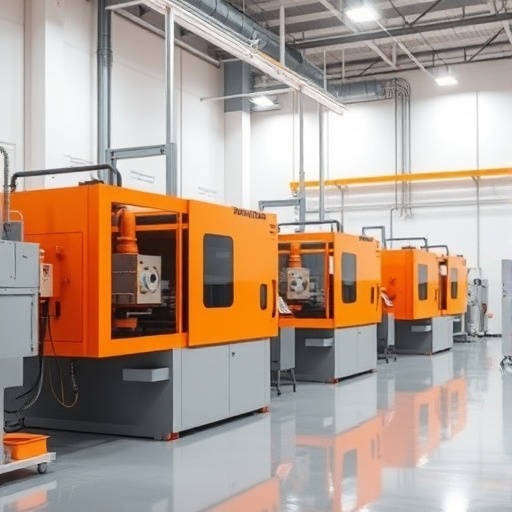
Compression molding services reduce tooling expenses because molds experience lower internal stresses than injection tools. Fabricators achieve shorter setup times and lower energy use per part on medium production volumes. The process minimizes scrap by using exact material charges, which lowers raw plastic expenses. Labor costs stay competitive since operators handle straightforward loading and unloading steps. Companies avoid the high capital outlay for injection machines when compression presses already exist in many facilities. Overall cycle efficiency improves when parts require inserts or multiple materials that would complicate injection runs. Businesses report faster time-to-market for custom plastic solutions because prototype molds can be machined quickly and affordably.
Versatility in Design and Fabrication
Design teams gain freedom with compression molding services because the process accepts complex geometries and varying wall thicknesses. Engineers embed metal inserts, fabric reinforcements, or electronic components directly into the plastic during molding. Fabrication of large panels, housings, and structural parts becomes practical without secondary assembly steps. Compression molds accommodate both thermoset and thermoplastic compounds, expanding material options for specific performance needs. Color matching and surface textures integrate during the initial cycle, eliminating painting or coating operations. Manufacturers adjust mold features to produce multiple part variations from a single tool family. This flexibility supports rapid iteration when product designs evolve.
Superior Quality of Compression Molded Products
Compression molded parts exhibit uniform density and low residual stress, which translates to better mechanical strength and dimensional stability. The slow filling action prevents jetting and flow lines common in injection processes. Surface finishes reach high standards directly from the mold, reducing post-processing. Compression molding services deliver excellent repeatability across batches because pressure distribution remains consistent. Parts resist warping under temperature changes, a critical advantage in demanding environments. Quality control teams find fewer internal voids or weak spots when they examine cross-sections of compression molded components. These attributes make the process reliable for applications where failure carries high consequences.
Applications of Compression Molding in Various Industries
Utilization in Food and Beverage Packaging
Food and beverage manufacturers rely on compression molding services to create durable, food-safe closures and containers. The process produces caps and seals with precise threads that maintain product freshness. Compression molded plastics withstand repeated opening and closing without cracking. Packaging designers choose materials that resist chemical migration, meeting strict regulatory standards. Large production runs of custom trays and protective inserts benefit from the cost structure of compression molding. The resulting parts offer consistent wall thickness that prevents leaks during shipping and storage. Companies gain branding opportunities through molded-in textures and logos that enhance shelf appeal.
Role in Medical and Pharmaceutical Manufacturing
Medical device makers use compression molding services for components that demand biocompatibility and sterilization resistance. The process forms housings for diagnostic equipment and drug delivery devices with tight tolerances. Compression molded plastics handle autoclave cycles without deformation. Pharmaceutical packaging benefits from secure fitments that protect medications from moisture and contamination. Manufacturers embed sensors or valves directly into parts during molding, reducing assembly steps. Quality documentation and traceability records accompany every batch from reputable molding services. This reliability supports regulatory compliance in highly controlled production environments.
Applications in Hardware and O-Ring Production
Hardware suppliers depend on compression molding services to fabricate o-ring seals and gaskets that perform under pressure. The process creates uniform cross-sections critical for leak prevention in plumbing and hydraulic systems. Compression molds accommodate specialty elastomers that resist oils, chemicals, and extreme temperatures. Hardware components such as knobs, handles, and protective covers gain impact resistance and ergonomic shapes. Production of custom sizes becomes economical because mold changes require minimal downtime. Compression molding process yields parts with excellent compression set resistance, extending service life in demanding applications. Fabricators deliver consistent quality that meets industry specifications for both standard and specialized hardware.
Choosing the Right Compression Molding Manufacturer
Factors to Consider When Selecting a Molding Service
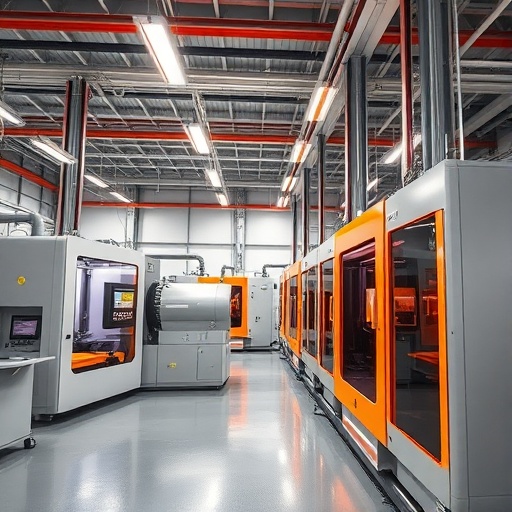
Evaluate a compression molding service based on material expertise, press capacity, and proven track record with similar parts. Review their ability to handle both prototype and production volumes without quality drops. Assess lead times for tooling and first articles to align with project schedules. Request references from clients in your industry to verify communication and problem-solving capabilities. Confirm the manufacturer maintains clean facilities and follows documented procedures for material handling. Pricing transparency matters, yet buyers should weigh total cost of ownership including secondary operations. Strong suppliers provide design-for-manufacturability feedback early to avoid costly revisions later.
Importance of Experience and Technology in Manufacturing
Experienced manufacturers bring deep knowledge of compression molding processes that shortens development cycles. They understand how different plastic formulations react under pressure and heat. Modern equipment with precise temperature and pressure controls improves repeatability and reduces scrap rates. Technology such as real-time monitoring systems flags deviations before defects occur. Seasoned teams optimize mold venting and charge placement to achieve superior part quality. Investment in simulation software allows them to predict flow behavior and shorten validation phases. Partners with broad experience also suggest material alternatives that improve performance or lower costs.
Evaluating Quality Control Processes
Reliable compression molding services implement layered quality checks from incoming material inspection through final packaging. In-process measurements track critical dimensions while parts remain in the mold or immediately after ejection. Statistical process control charts reveal trends that prompt corrective action before out-of-spec conditions develop. Final audits include visual inspection, functional testing, and material certification review. Traceability systems link each batch to raw material lots and process parameters. ISO or similar certifications demonstrate commitment to documented standards. Buyers should request sample inspection reports and audit summaries before committing to long-term contracts.
Future Trends in Compression Molding Services
Innovations in Compression Molding Techniques
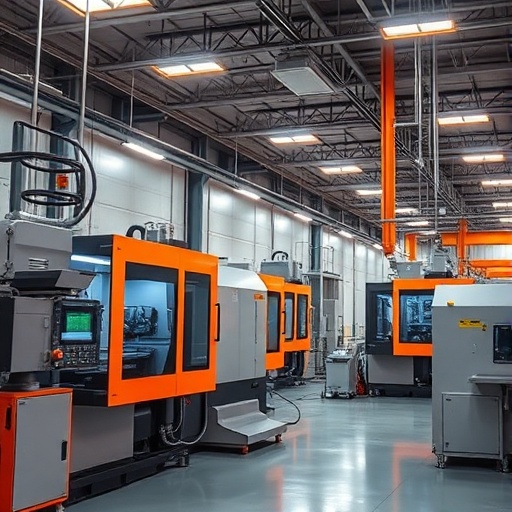
Recent advances introduce automated charge placement and closed-loop press controls that boost throughput. New mold materials and coatings extend tool life while improving release characteristics. Hybrid processes combine compression with light injection elements to handle complex features. Real-time sensors feed data to AI systems that adjust parameters on the fly for optimal results. These innovations expand the range of parts suitable for compression molding services. Faster curing resins shorten cycle times without sacrificing mechanical properties. Manufacturers adopting these techniques gain competitive edges in both quality and delivery speed.
Sustainability in Plastic Manufacturing
Compression molding services increasingly incorporate recycled and bio-based plastics to meet environmental goals. The process tolerates higher filler loadings than injection molding, allowing greater use of reclaimed material. Reduced energy consumption per part lowers the overall carbon footprint. Closed-loop systems capture and reuse flash and runners, minimizing landfill waste. Manufacturers develop take-back programs that reprocess end-of-life parts into new compression molded products. Regulatory pressure and consumer demand drive continued investment in greener formulations and energy-efficient presses. These efforts position compression molding as a responsible choice for custom plastic solutions.
The Growing Demand for Custom Plastic Solutions
Industries continue to seek tailored components that meet exact performance and aesthetic requirements. Compression molding services fulfill this need through flexible tooling and material options. Shorter product lifecycles favor processes that support rapid design changes at reasonable cost. Emerging applications in electric vehicles, renewable energy, and smart devices create fresh opportunities. Manufacturers that invest in skilled personnel and advanced equipment capture growing market share. Collaboration between designers and molding experts produces innovative solutions that injection molding alone cannot achieve. Demand for high-quality, cost-effective custom parts shows no sign of slowing.
See Also
- The Future of Compression Molding Technology and Its Impact on Hardware Manufacturing
- Understanding the Compression Molding Process for Optimal Product Development
- How Compression Molded Plastics are Revolutionizing the Food and Beverage Industry
- Unlocking Efficiency with Compression Molding Services for Your Manufacturing Needs