Unlocking the Benefits of Electropolishing for Stainless Steel Products
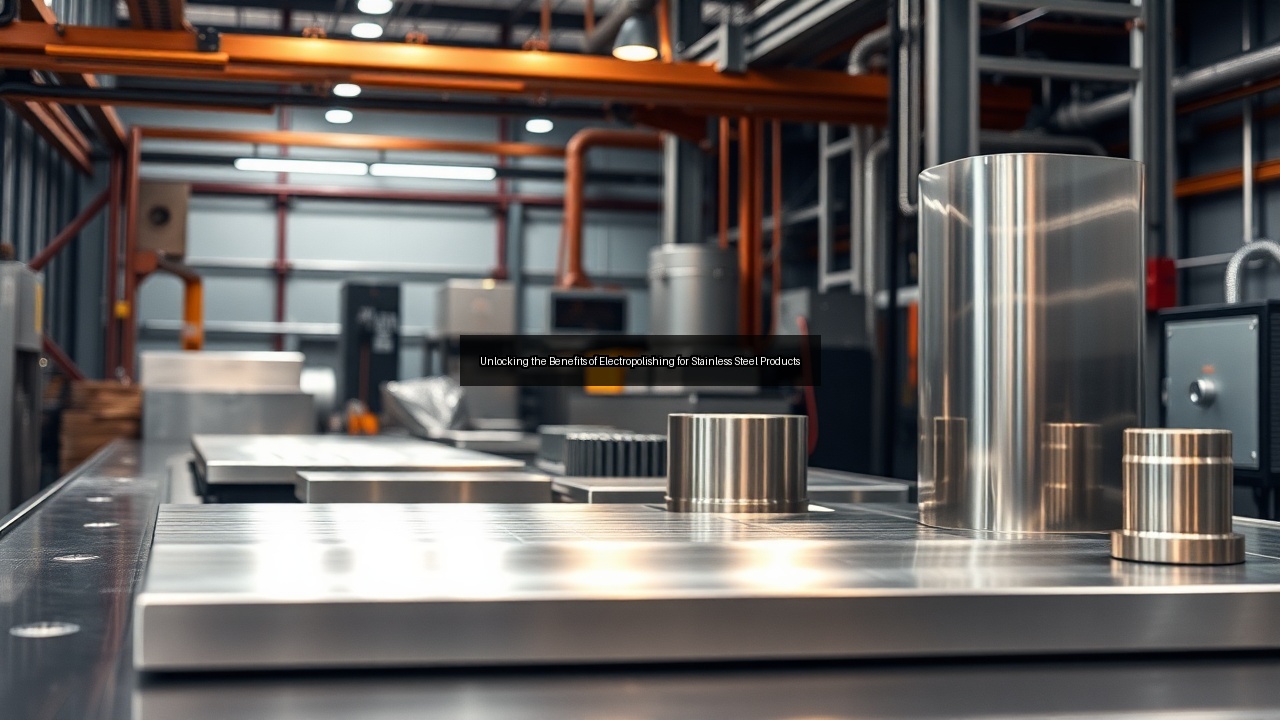
Understanding Electropolishing and Its Applications
What is Electropolishing?
Electropolishing is an electrochemical process that removes material from the surface of metals, particularly stainless steels, to enhance their surface finish and overall quality. Often regarded as the opposite of electroplating, electropolishing involves using an electrical current to dissolve the surface layer of the metal. This process results in a bright, smooth finish that not only improves aesthetics but also optimizes the material’s functionality. Commonly used for stainless steel products, such as those made from the widely-used 316L grade, this technique serves various industries, including pharmaceuticals, food processing, and semiconductor manufacturing.
How Electropolishing Works
The electropolishing process begins with the preparation of the stainless steel components, which are immersed in a specialized electrolyte solution. When an electrical current passes through the solution, it creates a reaction that removes the outermost layer of the metal. Unlike traditional polishing methods that rely on mechanical abrasion, electropolishing utilizes controlled electrolytic action, which efficiently smooths the surface at a microscopic level. This method electropolishing services ensures a consistent finish across complex shapes and intricate designs, making it a preferred choice for manufacturers seeking high-quality stainless steel products.
Common Applications of Electropolishing in Industries
Electropolishing finds applications across a variety of industries due to its unique benefits. In the pharmaceutical sector, it enhances the cleanliness of stainless steel equipment, reducing the risk of contamination. The food processing industry employs electropolished stainless steels for their corrosion resistance and ease of cleaning, ensuring compliance with health regulations. The semiconductor industry also utilizes this technique, as electropolished surfaces minimize particle adhesion and improve the performance of electronic components. Other applications include medical devices, architectural elements, and automotive parts, showcasing the versatility of electropolishing in enhancing stainless steel products.
Benefits of Electropolishing Stainless Steel Products
Enhanced Surface Finish and Aesthetics
One of the most significant advantages of electropolishing stainless steel products is the enhanced surface finish. The process eliminates surface imperfections such as scratches, pits, and oxidation, resulting in a sleek, mirror-like appearance. This aesthetic improvement not only elevates the visual appeal of products but also contributes to their marketability. Electropolished stainless steel components stand out in competitive industries, making them more attractive to consumers and clients. Furthermore, the smooth finish reduces friction and improves the functionality of moving parts, making electropolishing a valuable investment for manufacturers looking to enhance both form and function.
Corrosion Resistance and Longevity
Electropolishing significantly boosts the corrosion resistance of stainless steel products. The process removes contaminants from the surface, including embedded particles and oxides, which can lead to corrosion over time. By smoothing the surface, electropolishing minimizes crevices where moisture and corrosive agents can accumulate. This enhanced corrosion resistance extends the lifespan of stainless steel components, making them ideal for harsh environments, such as marine, chemical, and industrial applications. Manufacturers benefit from reduced maintenance costs and prolonged durability, ensuring that their stainless steel products maintain integrity and performance over time.
Improvement in Cleanliness and Hygiene
In industries where cleanliness is paramount, such as pharmaceuticals and food processing, electropolishing plays a crucial role in maintaining hygiene standards. The smooth, non-porous surface created through electropolishing resists bacterial growth and facilitates easier cleaning. Unlike rough surfaces that can harbor contaminants, electropolished stainless steel products allow for more effective sanitation practices. This characteristic is vital in ensuring compliance with health and safety regulations, enhancing the reputation of manufacturers who prioritize quality and safety in their stainless steel offerings.
Electropolishing Process for Stainless Steel
Preparation of Stainless Steel Components
The first step in the electropolishing process involves preparing the stainless steel components. This preparation includes thorough cleaning to remove grease, oils, and dirt that may interfere with the electropolishing reaction. Manufacturers typically use ultrasonic cleaning or chemical baths to ensure the surfaces are immaculate. After cleaning, components must be inspected for any defects that could affect the outcome of the electropolishing process. Proper preparation sets the foundation for achieving the desired surface finish and ensures optimal results in the subsequent electropolishing stages.
The Electropolishing Procedure
During the electropolishing procedure, prepared stainless steel components are submerged in an electrolytic bath containing a carefully formulated electrolyte solution. An electrical current is then applied, initiating the dissolution of the metal surface. The process parameters, such as voltage, temperature, and immersion time, are crucial for achieving consistent and desirable results. Manufacturers closely monitor these factors to ensure that the electropolishing effectively removes the desired layer of material without compromising the integrity of the components. The result is a uniformly polished surface that meets or exceeds industry standards.
Post-Processing and Heat Treating Considerations
After electropolishing, stainless steel components may require post-processing steps to enhance their properties further. This can include additional cleaning to remove any residual electrolyte, followed by drying to prevent water spots. Some applications may benefit from heat treating, which can relieve stress or enhance mechanical properties. Manufacturers must consider the specific requirements of their products, as well as the end-use applications, to determine the appropriate post-processing steps. Proper post-processing ensures that the enhanced surface characteristics achieved through electropolishing are maintained and optimized for performance.
Choosing the Right Electropolishing Service
Factors to Consider When Selecting a Manufacturer
Choosing the right electropolishing service involves evaluating several factors to ensure high-quality results. Start by assessing the manufacturer’s experience and expertise in electropolishing stainless steel. Look for companies that specialize in your specific industry, whether it be pharmaceuticals, food processing, or semiconductor manufacturing. Certifications and compliance with industry standards also play a critical role in ensuring that the manufacturer adheres to best practices. Additionally, inquire about their equipment and technology to ensure they utilize advanced techniques for optimal results. Customer feedback and case studies can provide insight into their reliability and quality of service.
Impact of Electropolishing on Engineering and Design
Electropolishing influences engineering and design considerations for stainless steel products. The process allows for greater design flexibility, as it can effectively polish complex geometries that traditional polishing methods may struggle with. Engineers can specify tighter tolerances and intricate shapes without fearing compromising the surface finish. This capability enhances the overall design and functionality of the product. Furthermore, the improved surface characteristics contribute to better performance, particularly in applications where corrosion resistance and cleanliness are crucial. Manufacturers should consider these advantages when designing stainless steel components for their specific applications. electro polishing
Case Studies: Successful Applications of Electropolished Stainless Steel
Numerous case studies highlight the successful applications of electropolished stainless steel across various industries. In the pharmaceutical sector, a leading manufacturer of medical devices adopted electropolishing to improve the cleanliness of their surgical instruments. The result was a significant reduction in contamination rates, leading to higher safety standards and customer satisfaction. In the food processing industry, a company utilized electropolished stainless steel tanks to enhance hygienic practices, ultimately increasing production efficiency. These case studies demonstrate the tangible benefits of electropolishing stainless steel products, reinforcing its importance in manufacturing processes.