Gravity Feed Systems in Bulk Oil Dispensing Explained
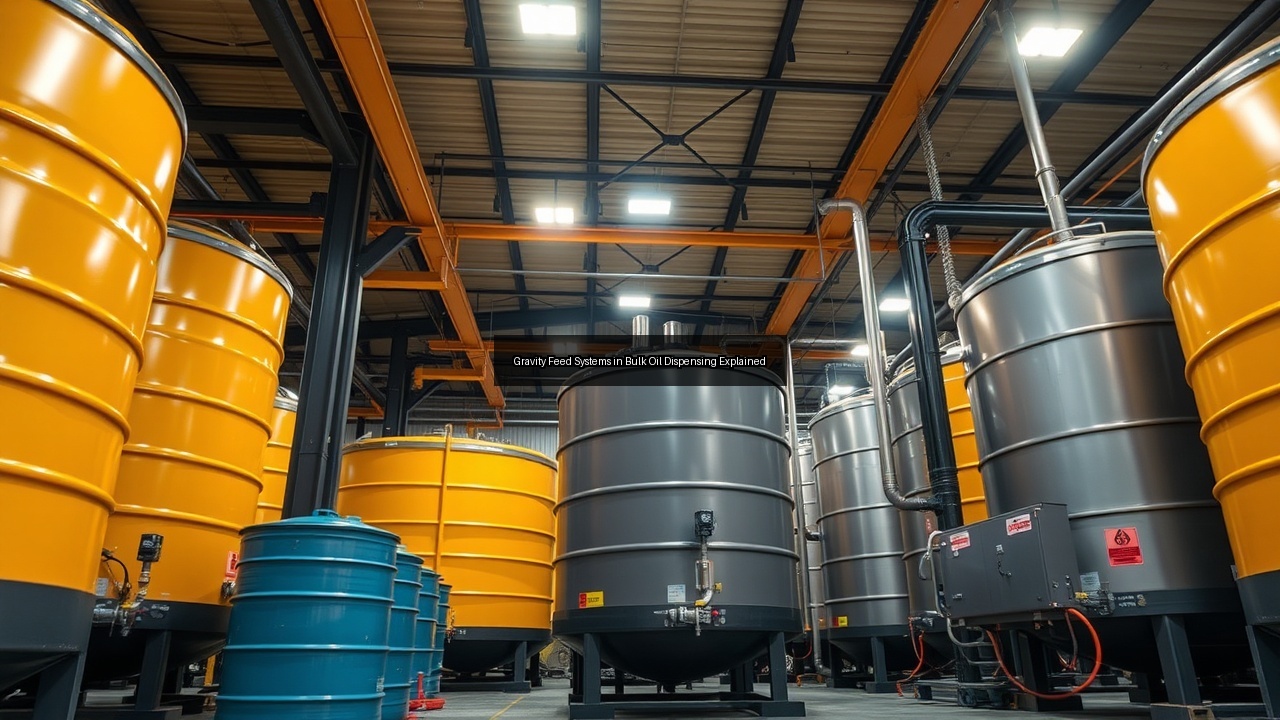
Understanding Gravity Feed Systems in Oil Dispensing
What is a Gravity Feed System?
A gravity feed system utilizes the natural force of gravity to facilitate the dispensing of lubricants and other fluids from storage tanks to dispensing points. This system relies on the elevation of the storage tank, which must be positioned higher than the point of dispensing. As the fluid flows downwards, it moves freely through pipes or hoses without the need for pumps, making the process simple and effective. Gravity feed systems are particularly advantageous in bulk oil storage and dispensing systems, as they minimize mechanical components and associated maintenance costs. These systems are common in various industries, including automotive, manufacturing, and agricultural sectors, where bulk oil dispensing is essential for lubrication and maintenance operations.
Advantages of Using Gravity Feed Systems
Gravity feed systems offer several distinct advantages that enhance efficiency and reduce operational costs. First and foremost, these systems require minimal energy consumption. Since gravity serves as the driving force, there is no need for electric or pneumatic pumps, leading to lower utility bills and reduced carbon footprints. Secondly, gravity feed systems are generally easier to install and maintain. Fewer mechanical components mean fewer points of failure, resulting in less downtime and lower repair costs. Additionally, the simplicity of the design allows for quick adjustments and modifications as needed. Finally, gravity feed systems are reliable and can provide a steady flow of lubrication oil, ensuring that machinery and equipment receive consistent lubrication, which is vital for maximizing operational efficiency and extending equipment lifespan.
Common Applications in Bulk Oil Dispensing
Gravity feed systems find extensive use in various applications related to bulk oil dispensing. In automotive shops, these systems facilitate the quick and efficient dispensing of engine oils and lubricants into vehicles during routine maintenance. Industrial facilities often utilize gravity feed systems for dispensing hydraulic oils, ensuring machinery operates smoothly without interruptions. Additionally, agricultural settings benefit from gravity feed systems to supply lubrication for tractors and other farm equipment, which are crucial for maintaining productivity. The versatility of these systems makes them suitable for a wide range of bulk oil applications, including oil storage tanks designed to hold various types of lubricants in polyethylenes or welded steel constructions. Their adaptability to different environments underscores their importance in bulk oil storage and dispensing systems.
Key Components of Bulk Oil Storage and Dispensing Systems
Storage Tanks: Types and Materials
Storage tanks serve as the backbone of bulk oil storage and dispensing systems, designed to hold large quantities of lubricants before they are dispensed. The types of tanks vary, with options including above-ground and below-ground models. Above-ground tanks are often made from welded steel or polyethylene, offering durability and resistance to environmental factors. On the other hand, below-ground tanks provide an effective solution for situations requiring space conservation and enhanced safety. The choice of materials is crucial; polyethylene tanks resist corrosion and are lightweight, while steel tanks offer strength and robustness. Selecting the right type and material ensures that the storage tanks meet regulatory standards and are suitable for the specific type of oil or lubricant being stored, thereby promoting safe handling and dispensing.
Filtration Systems for Clean Dispensing
Filtration systems play a critical role in maintaining the quality of lubricants during the dispensing process. Contaminants such as dirt, dust, and particulate matter can adversely affect the performance of lubrication oils, leading to machinery failures and increased maintenance costs. Implementing effective filtration systems ensures that the oil dispensed is clean and free from impurities. These systems can be integrated directly into the dispensing setup, filtering oil as it moves from storage tanks to application points. Regular maintenance of these filtration systems is essential, as clogged filters can restrict flow and reduce efficiency. The adoption of filtration systems not only enhances the reliability of oil dispensing but also extends the lifespan of machinery by ensuring that only clean lubricants are used.
Pneumatic vs. Gravity Feed Mechanisms
Both pneumatic and gravity feed mechanisms serve critical roles in oil dispensing systems, yet they operate on fundamentally different principles. Pneumatic systems rely on compressed air to push oil from storage tanks to dispensing points. This method provides controlled flow rates and is effective for applications requiring precise oil delivery. However, pneumatic systems often require regular maintenance and can have higher operational costs due to energy consumption. In contrast, gravity feed systems, as previously discussed, leverage gravity's natural force, resulting in lower costs and simpler maintenance. The choice between pneumatic and gravity feed mechanisms depends on specific operational needs, such as the required flow rate and the complexity of the dispensing system. Understanding the differences between these systems enables businesses to make informed decisions regarding their bulk oil storage and dispensing strategies.
Safety and Compliance in Bulk Oil Handling
Fire Safety Considerations
Fire safety is a paramount concern when handling bulk oil, given the flammable nature of lubricants and oils. Implementing safety measures is essential to prevent fire hazards in storage and dispensing environments. Facilities should ensure that storage tanks are equipped with appropriate fire suppression systems, such as sprinklers or foam extinguishers. Additionally, the placement of tanks should comply with local regulations, allowing for adequate spacing between tanks and structures to minimize fire risk. Regular training for employees on fire safety protocols, including emergency evacuation procedures and the use of fire extinguishers, is vital. By adhering to stringent fire safety measures, businesses can protect their assets and personnel while ensuring safe operations in bulk oil dispensing.
OSHA and EPA Regulations for Oil Dispensing
Compliance with OSHA and EPA regulations is critical in bulk oil storage and dispensing operations. OSHA mandates specific safety standards to protect workers from hazards associated with oil handling, including training requirements and the provision of personal protective equipment (PPE). Additionally, the EPA regulates the environmental impact of oil storage and dispensing, enforcing rules regarding spill prevention and reporting. Facilities must implement spill containment measures, such as secondary containment systems, to prevent oil leaks from contaminating soil and water supplies. Regular audits and inspections ensure adherence to these regulations, minimizing the risk of fines and enhancing operational safety. Understanding these regulations protects both employees and the environment, fostering a culture of safety and compliance in oil dispensing operations.
Proper Maintenance of Oil Storage Tanks
Proper maintenance of oil storage tanks is essential for ensuring safety and compliance in bulk oil handling. Regular inspections help identify signs of corrosion, leaks, or structural weaknesses before they escalate into significant issues. Maintenance routines should include checking valves, hoses, and connections for wear and tear, as well as ensuring that filtration systems are clean and functioning optimally. Additionally, periodic cleaning of the tanks helps remove sludge and contaminants that can compromise oil quality. Keeping detailed maintenance records also aids in demonstrating compliance with OSHA and EPA regulations. By prioritizing maintenance, businesses can extend the lifespan of their tanks and minimize operational disruptions in bulk oil storage and dispensing systems.
Best Practices for Efficient Oil Dispensing
Designing an Effective Dispensing Layout
An effective dispensing layout is crucial for enhancing operational efficiency in bulk oil dispensing systems. A well-planned layout minimizes the distance between storage tanks and dispensing points, reducing time and effort required for oil transfers. Consideration should also be given to the flow of materials, ensuring that the layout allows for easy access to tanks and dispensing equipment. Utilizing skids for organizing hoses and pumps promotes a tidy workspace and facilitates quick responses during dispensing operations. Incorporating designated areas for waste oil collection further streamlines processes, as it keeps the workspace organized and ensures compliance with environmental regulations. A thoughtfully designed dispensing layout not only boosts productivity but also enhances safety in the workplace.
Utilizing Skids and 55 Gallon Drums
Skids and 55-gallon drums are common components in bulk oil dispensing systems, providing flexibility and ease of use. Skids allow for the efficient relocation of dispensing equipment and storage tanks, making it simple to adapt to changing operational needs. They also provide a stable platform for mounting pumps, hoses, and filtration systems, ensuring that all components are securely positioned for optimal performance. Additionally, 55-gallon drums serve as convenient storage units for various types of oil and lubricants, facilitating easy dispensing into smaller containers or directly into machinery. Using these tools effectively can streamline operations, reduce spills, and enhance overall efficiency in bulk oil storage and dispensing systems.
Managing Waste Oil and Environmental Impact
Effective management of waste oil is crucial for minimizing the environmental impact of bulk oil dispensing systems. Facilities must implement procedures for collecting, storing, and disposing of waste oil in compliance with EPA regulations. Establishing designated waste oil collection points and using sealed containers prevent spills and leaks, protecting the surrounding environment. Regular training for employees on waste oil handling and disposal procedures reinforces the importance of environmental stewardship. Moreover, businesses should explore recycling options for waste oil, as many types of used oil can be reprocessed into new lubricants or fuels. By adopting responsible waste oil management practices, companies not only comply with regulations but also contribute to sustainability efforts in the oil industry.