From Baked Goods to Beverages Understanding Valves in Food Processing Applications
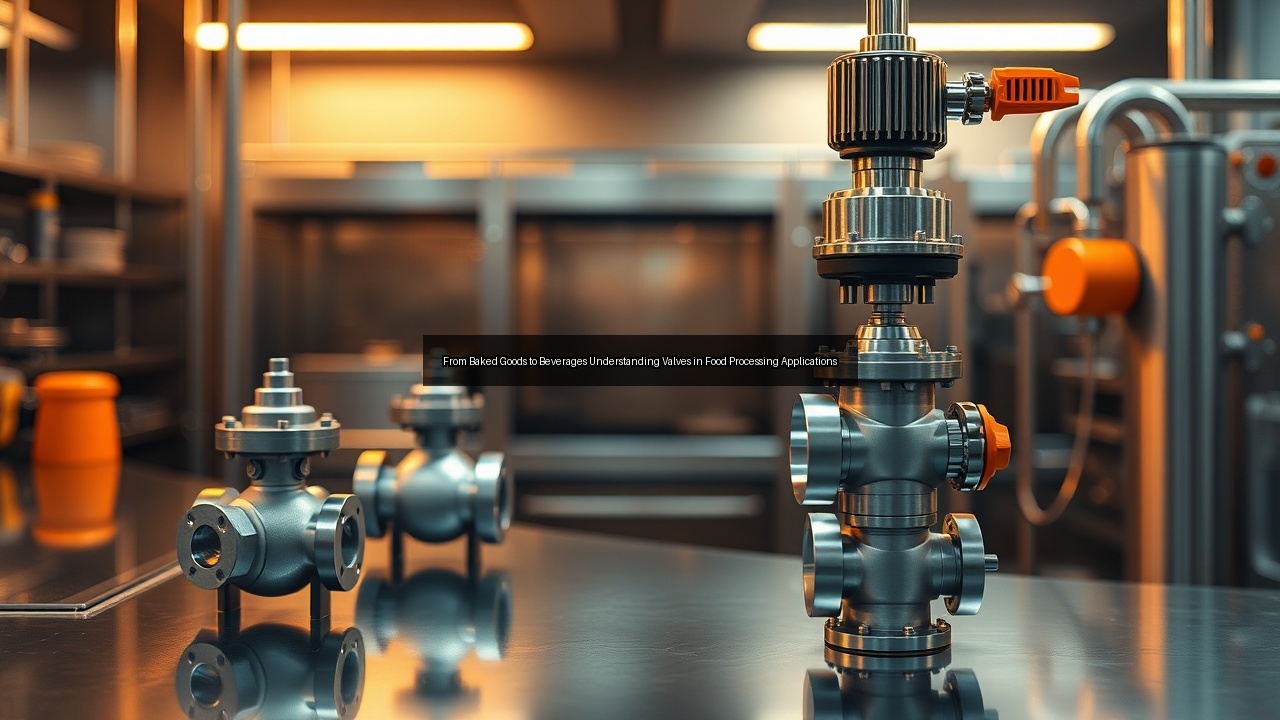
The Role of Valves in Food and Beverage Processing
Understanding the Importance of Valves in Food Safety
Valves play a critical role in ensuring the safety and quality of food and beverage products. They control the flow of liquids and gases within processing systems, which is vital for maintaining sanitary conditions. In the food processing industry, valves help regulate temperature, pressure, and flow rates, directly impacting product safety. For instance, a malfunctioning valve can lead to contamination or spoilage, resulting in significant loss and health risks. Implementing the right valves for food processing applications safeguards against these dangers, ensuring compliance with health standards and regulations. This is especially crucial in sectors like baked goods and beverages, where even minor deviations can compromise taste and safety.
Types of Valves Used in Food Processing
Various types of valves serve distinct functions in food processing. Control valves manage the flow and pressure of fluids, providing precision in production lines. Ball valves offer versatility, allowing for quick on/off control with minimal pressure drop. Check valves prevent backflow, ensuring that fluids flow in one direction, which is essential in maintaining system integrity. Safety relief valves protect against overpressure situations, preventing equipment damage and ensuring operational safety. Each of these valves plays a significant role in the efficiency and safety of food processing, making them indispensable to manufacturers in the food and beverage industry.
How Valves Impact the Quality of Baked Goods and Beverages
The quality of baked goods and beverages hinges on precise control over their ingredients and processing conditions. Valves for food processing directly affect how ingredients are mixed, heated, and transported. For instance, in the production of confectionery, the correct valve types facilitate the accurate blending of ingredients, ensuring a consistent product. Similarly, in the beverage industry, valves control carbonation levels and flavor infusion, directly influencing the final taste and texture. Any inconsistency in these processes can lead to subpar products, making it imperative for food manufacturers to invest in reliable valve systems that enhance quality and maintain standards.
Key Types of Valves in the Food Processing Industry
Control Valves: Precision in Food Processing
Control valves are essential for regulating flow and pressure within valves used in food processing food processing systems. These valves allow operators to finely tune the conditions under which food products are created. In applications like pasteurization or mixing, control valves ensure precision, enabling consistent results across batches. The importance of these valves cannot be overstated; they maintain optimal conditions for food safety and quality. By integrating automated systems with control valves, manufacturers can achieve even greater precision and efficiency, reducing waste and enhancing productivity. Effective use of control valves is a hallmark of a well-optimized food processing operation.
Ball Valves: Versatility in Fluid Management
Ball valves have gained popularity in the food processing industry due to their versatility and reliability. These valves consist of a hollow, perforated sphere that controls fluid flow, offering quick shut-off capabilities. The simplicity of their design allows for easy maintenance and operation, making them ideal for various applications, from ingredient transport to beverage production. Their ability to handle high pressures and temperatures further underscores their importance in food processing. Manufacturers value ball valves for their efficiency and effectiveness in managing different fluids, highlighting their essential role in ensuring smooth operations within the food and beverage sector.
Check Valves: Ensuring Directional Flow
Check valves serve a crucial function in food processing by ensuring that fluids flow in a single direction, preventing backflow that could compromise product quality. These valves contribute to system integrity by protecting sensitive ingredients from contamination and degradation. In the beverage industry, check valves are especially important when dealing with carbonated drinks, as they help maintain pressure and carbonation levels. By preventing unwanted flow reversals, check valves enhance the overall safety and efficacy of food processing systems, making them indispensable for maintaining high standards in both food and beverage production.
Safety Relief Valves: Protecting Against Overpressure
Safety relief valves are vital for protecting food processing equipment from overpressure situations that could lead to catastrophic failures. These valves automatically release excess pressure, ensuring that systems operate within safe parameters. In the food industry, where maintaining specific pressure levels is essential for quality and safety, safety relief valves play a critical role. They safeguard against the risks of equipment damage and product loss while ensuring compliance with industry regulations. By incorporating safety relief valves into processing systems, manufacturers can protect their investments and ensure the continuous production of safe, high-quality food and beverage products.
Sanitary Design and FDA Compliance in Food Processing Valves
Materials and Standards for Food Safety
Sanitary design in valves for food processing is paramount for ensuring food safety and compliance with FDA regulations. Manufacturers must select materials that resist corrosion, are easy to clean, and do not leach harmful substances into food products. Stainless steel remains the most popular choice due to its durability and resistance to bacteria. Adhering to standards like 3A Sanitary Standards ensures that valves and other equipment used food processing valves in food processing meet the stringent requirements for hygiene and safety. By prioritizing sanitary designs, food manufacturers can prevent contamination and maintain the highest quality in their products.
Automated Systems and Their Role in Compliance
Automated systems significantly enhance compliance with food safety standards in the food processing industry. These systems can monitor and control valve operations, ensuring that processes adhere to established safety protocols. Automation minimizes human error, increases efficiency, and allows for real-time adjustments to maintain optimal conditions. By integrating automated systems with sanitary valves, manufacturers can streamline operations while ensuring that every step of production meets FDA guidelines. This synergy not only enhances safety but also improves productivity, making it a pivotal factor in modern food processing practices.
Challenges of Maintaining Sanitary Conditions in Food and Beverage Production
Maintaining sanitary conditions in food and beverage production presents significant challenges. The food processing industry faces constant pressure to prevent contamination while ensuring efficient operation. Valves must be regularly cleaned and maintained to prevent buildup, which can harbor bacteria. Additionally, the complexity of piping systems increases the risk of contamination during production. Manufacturers must invest in training and resources to ensure proper handling and maintenance of valves and other equipment. By addressing these challenges, food processors can maintain high safety standards and produce quality products that meet consumer expectations.
Future Trends in Valves for Food Processing Applications
Innovations in Valve Technology
Innovations in valve technology continue to shape the future of food processing. Manufacturers are exploring smart valves equipped with sensors that provide real-time data on flow rates, pressure, and temperature. These advancements allow for more precise control over processing conditions, leading to improved efficiency and product quality. Furthermore, the development of materials that enhance cleaning processes and prevent contamination is on the rise. As the food processing industry evolves, staying abreast of these innovations becomes essential for maintaining competitive advantages and ensuring compliance with ever-tightening safety regulations.
The Impact of Automation on Food Processing
Automation is revolutionizing the food processing industry, particularly in the realm of valve operations. Automated valves reduce the need for manual intervention, leading to consistent quality and enhanced safety. Integration with IoT technology allows for remote monitoring and control, providing real-time insights into processing conditions. This level of automation improves overall efficiency and responsiveness to production needs. As food manufacturers increasingly adopt automated systems, the role of valves will become more critical, requiring ongoing advancements in design and technology to meet the demands of modern food processing.
Sustainability and Efficiency in Valve Design
As sustainability becomes a priority in the food processing industry, valve design is evolving to meet these demands. Manufacturers are focusing on creating valves that minimize energy consumption and reduce waste. Innovations in materials and design allow for more efficient fluid management, decreasing the environmental impact of production processes. Additionally, sustainable valves contribute to the overall efficiency of food packaging and distribution, aligning with the growing consumer preference for eco-friendly products. Embracing sustainability in valve design not only benefits the environment but also enhances the brand image of food and beverage companies, appealing to conscious consumers.